Top 10 Energy-Saving Tips Every Household Should Know
Reducing your energy consumption is one of the simplest and most effective ways to lower monthly expenses while helping protect the environment. Whether you live in an apartment or a large family home, small changes in daily habits can make a big impact over time. This guide covers the top 10 energy-saving tips every household should know, including practical actions, estimated savings, and long-term benefits.
1. Switch to LED Lighting
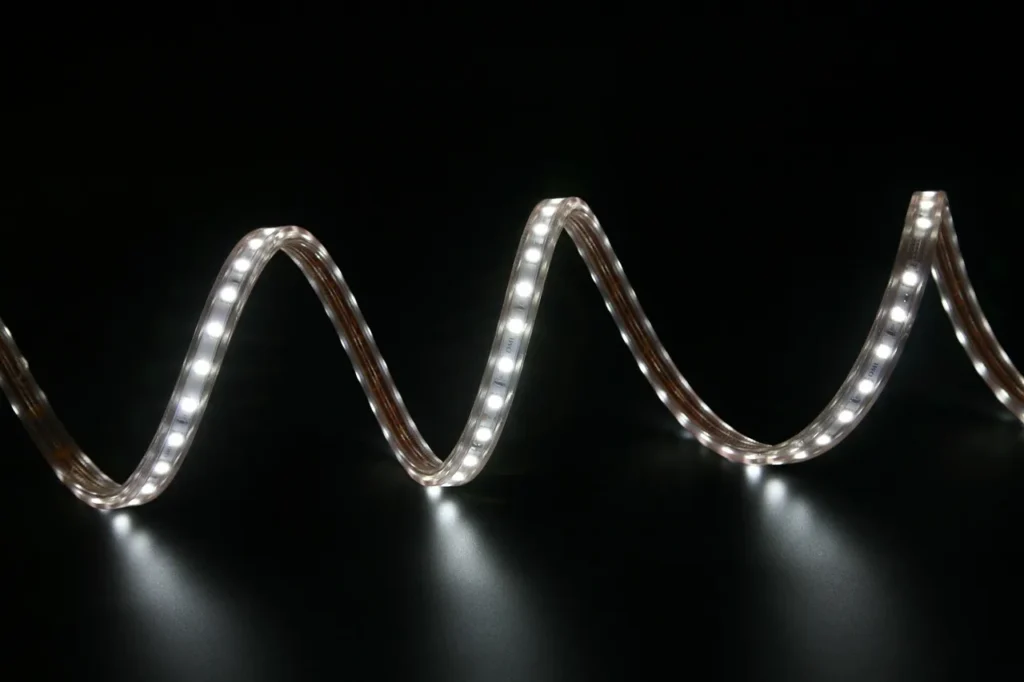
LED bulbs use up to 80% less electricity than traditional incandescent bulbs and last far longer. By replacing all lighting in your home with LEDs, you can significantly reduce your electricity bill. They also generate less heat, which helps keep indoor temperatures lower during summer months.
Quick Tip: Choose LEDs with warm color temperature (2700K–3000K) for a cozy atmosphere.
2. Unplug Devices When Not in Use
Even when turned off, many electronics consume “phantom energy.” Chargers, TVs, game consoles, microwaves, and computers draw power as long as they remain plugged in.
Solution: Use a smart power strip that automatically switches off idle devices. This can save up to 5–10% of your monthly energy use.
3. Optimize Heating and Cooling
Heating and cooling systems are some of the biggest energy consumers in a home.
- Set your thermostat 2–3°C lower in winter and 2–3°C higher in summer.
- Clean or replace filters every 2–3 months.
- Seal gaps around doors and windows to prevent heat loss.
A smart thermostat can automate everything and cut energy use by up to 25%.
4. Use Energy-Efficient Appliances
When it’s time to replace appliances, choose models labeled A+, A++ or ENERGY STAR. Efficient refrigerators, washing machines, and air conditioners consume significantly less electricity.
Fun Fact: Replacing a 10-year-old refrigerator with a new efficient model can save up to 100 kWh per month.
5. Wash Clothes with Cold Water
Heating water accounts for around 90% of the energy used by your washing machine. Most fabrics and detergents clean perfectly well using cold water.
Bonus Saving: Air-drying clothes instead of using a dryer further reduces energy consumption.
6. Improve Home Insulation

Good insulation keeps warm air inside during winter and prevents heat from entering during summer. This reduces the load on heating and cooling systems.
Key areas to insulate:
- Roof and attic
- Walls
- Doors and window frames
- Pipework
Proper insulation can reduce energy usage by up to 30%.
7. Use Natural Light Whenever Possible
Open curtains, blinds, or shutters during the day to maximize daylight and reduce the need for artificial lighting.
Tip: Light-colored walls and reflective surfaces help distribute sunlight more effectively across rooms.
8. Reduce Hot Water Consumption
Hot water is one of the most expensive forms of energy.
Ways to save:
- Install low-flow showerheads.
- Take shorter showers.
- Set your water heater to 49–55°C.
- Fix leaks immediately—one dripping faucet can waste hundreds of liters per month.
9. Cook Efficiently
Small habits in the kitchen can reduce electricity use:
- Use lids when boiling water.
- Cook multiple dishes together in the oven.
- Switch to an induction stove for faster and more efficient cooking.
- Defrost food naturally instead of using the microwave.
Slow cookers and air fryers are also energy-saving alternatives.
10. Monitor Your Energy Consumption
The best way to reduce energy use is to understand it.
Install a smart energy meter or use a monitoring app to track usage patterns. This helps identify waste, manage peak consumption hours, and adopt better habits over time.
Benefit: Households that monitor energy often reduce their usage by 10–15%.
Conclusion
Saving energy doesn’t require major lifestyle changes—just smart decisions and conscious habits. By following the top 10 energy-saving tips outlined here, households can cut costs, reduce environmental impact, and create a more sustainable living environment.