What Is the Oldest Country in the World? Exploring Civilization, Continuity, and Identity
The question “What is the oldest country in the world?” seems simple at first—but history makes it wonderfully complex. Do we mean the earliest civilization, the oldest continuously existing state, or a modern country whose roots stretch farthest back in time? Each definition leads to a different answer. This article explores the contenders, explains why the question is debated, and shows how ancient societies shaped the countries we know today.
What Does “Oldest Country” Really Mean?
Before naming names, it helps to define terms:
- Civilization: A complex society with cities, writing, governance, and culture.
- State/Country: A political entity with territory, governance, and recognition.
- Continuity: Ongoing identity, institutions, or cultural lineage without long interruptions.
Depending on which lens we use—civilizational firsts or political continuity—the answer changes.
The Earliest Civilizations: Where Organized Society Began
Mesopotamia (c. 3500 BCE)
Often called the Cradle of Civilization, Mesopotamia arose between the Tigris and Euphrates rivers (modern-day Iraq). The Sumerians built cities like Uruk, developed cuneiform writing, formal law codes, and early administration.
Key point: Mesopotamia represents the earliest known civilization, but not a single country that exists today.
Ancient Egypt (c. 3100 BCE)
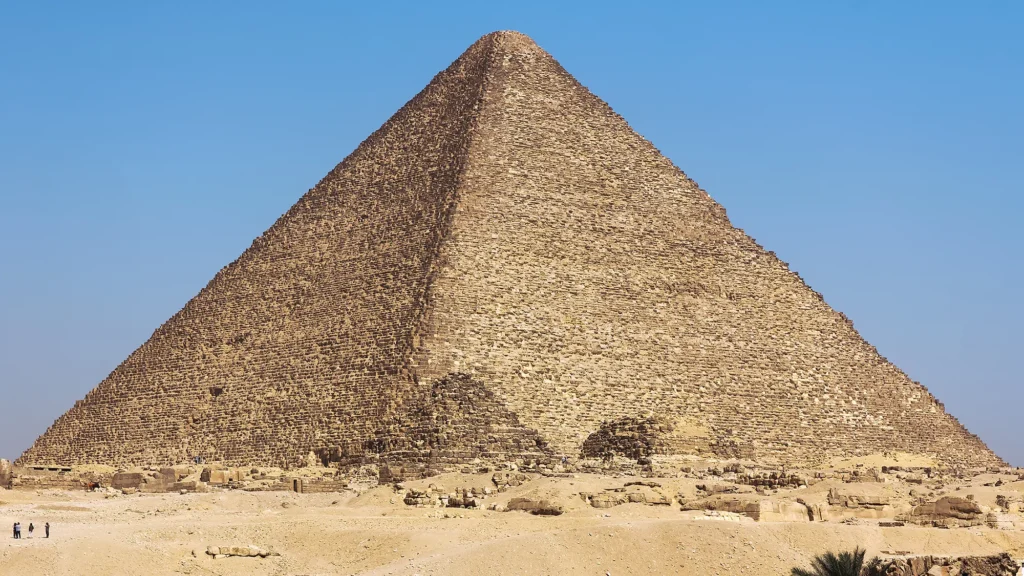
With the unification of Upper and Lower Egypt, Egypt formed a centralized state marked by pharaonic rule, monumental architecture, and a long, coherent cultural identity.
Key point: Egypt functioned as a continuous state for millennia, though modern Egypt is not politically identical to its ancient form.
Indus Valley Civilization (c. 2600–1900 BCE)
Centered in present-day Pakistan and northwest India, cities like Mohenjo-daro and Harappa show advanced urban planning and sanitation.
Key point: Highly advanced, but its writing remains undeciphered and political continuity is unclear.
Ancient China (c. 1600 BCE)
The Shang dynasty marks the earliest widely accepted Chinese state, with writing, bronze technology, and ritual systems that fed into later dynasties.
Key point: China’s civilization shows remarkable cultural continuity.
Oldest Continuously Existing Countries
If continuity matters most, historians often point to these contenders:
China
China’s dynastic cycles changed rulers, but language, philosophy, bureaucracy, and cultural identity endured. From Shang and Zhou through Qin, Han, Tang, and beyond, China maintained a recognizable civilizational core.
Why it matters: Many scholars argue China represents the oldest continuous civilization-state.
Egypt
Egypt’s identity persisted through ancient, Greco-Roman, Islamic, and modern periods. While rulers and systems changed, the geographic and cultural heart remained.
Why it matters: Egypt’s continuity is among the longest, even if political forms evolved.
Iran (Persia)
From the Achaemenid Empire (c. 550 BCE) to today’s Iran, Persian language and culture have endured through empires and invasions.
Why it matters: Strong cultural continuity over 2,500 years.
Greece

Ancient Greek civilization (city-states, philosophy, arts) deeply influenced Western culture. Modern Greece emerged in the 19th century, but the Greek language and identity trace back over 3,000 years.
Why it matters: Cultural continuity is strong; political continuity is debated.
Civilization vs. Modern Nation-State
Modern countries are largely a recent invention (post-1648, Treaty of Westphalia). Ancient civilizations didn’t operate with today’s borders, constitutions, or international recognition. That’s why:
So… What’s the Best Answer?
It depends on the definition:
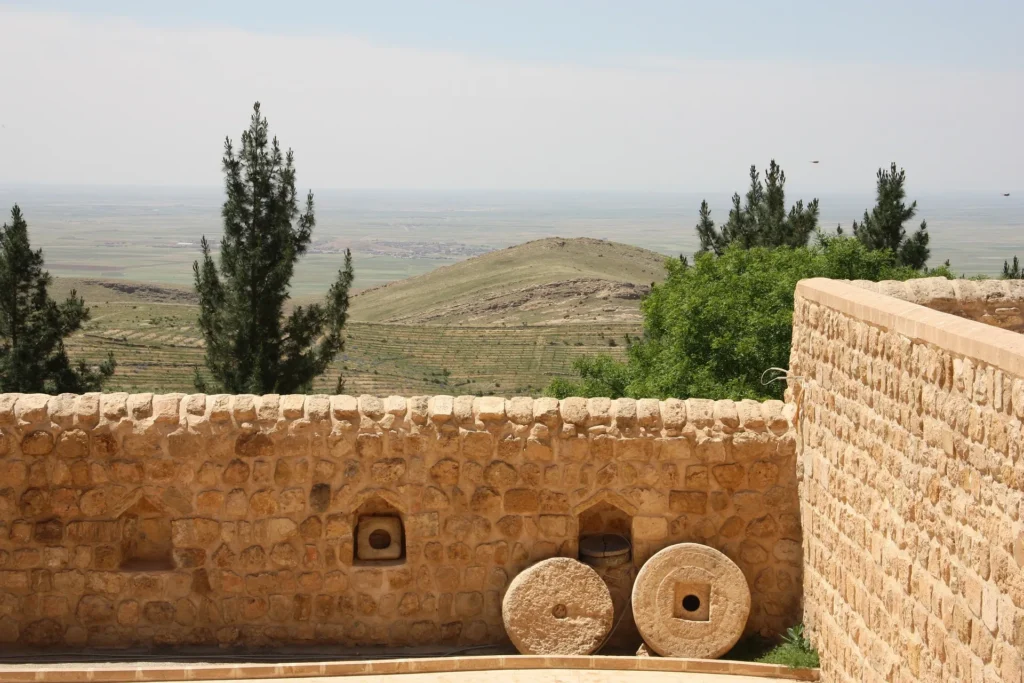
- Oldest civilization: Mesopotamia (Sumerians).
- Oldest continuous civilization-state: China (most commonly cited).
- Oldest long-lived centralized state: Ancient Egypt.
- Oldest enduring cultural identity: China, Egypt, Iran, Greece (with varying criteria).
There is no single, universally agreed answer—only well-supported perspectives.
Why the Question Still Matters Today
Understanding ancient origins helps explain modern identity, borders, and cultural pride. Countries with deep historical roots often draw legitimacy, cohesion, and global influence from that past. The debate itself reminds us that history is not just about dates—it’s about continuity, meaning, and human organization over time.
Conclusion
The “oldest country in the world” isn’t a straightforward title to award. If we honor the first complex societies, Mesopotamia stands first. If we value continuity of civilization and identity, China often leads. Egypt, Iran, and Greece each present compelling cases. Ultimately, the answer reveals as much about how we define a country as it does about the ancient world itself.
FAQ: Oldest Country in the World
A: There is no single answer. Mesopotamia is often called the oldest civilization, while China is commonly cited as the oldest continuously existing civilization-state.
A: It depends on how “country” is defined—by earliest civilization, political continuity, or cultural identity.
A: No. Mesopotamia refers to an ancient region in modern-day Iraq, not a current country.
A: China has maintained continuous cultural, linguistic, and administrative traditions for thousands of years despite changes in rulers and dynasties.
A: Yes. Ancient Egypt formed one of the earliest centralized states, and its cultural identity has endured for millennia.
A: No. Modern nation-states are relatively recent, while ancient civilizations operated under very different political systems.