The Real Reason Beauty Standards Change Over Time: History, Culture, and Psychology
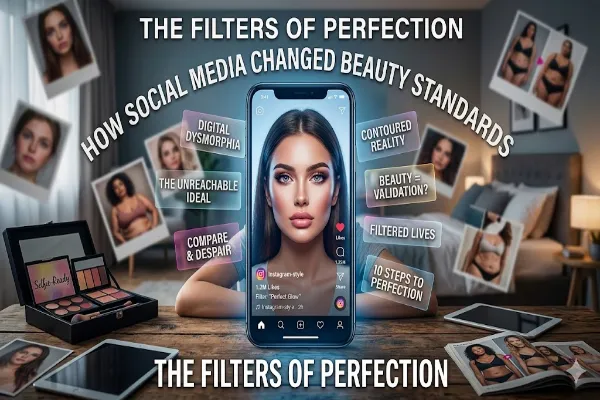
Beauty standards change over time because they are shaped by culture, history, psychology, media, and social values—not fixed biological truths. From ancient civilizations to today’s social media era, the history of beauty standards shows that what society considers attractive is constantly evolving.
Understanding changing beauty ideals helps explain why society’s definition of beauty changes across generations and cultures. In this article, we explore the real reason beauty standards change over time, including cultural influence, economic systems, political power, and modern digital media.
We will also look at beauty standards across cultures, historical examples, and how modern trends continue to reshape what we consider beautiful today.
History of Beauty Standards: How Ideals Evolved Across Time
25,000 BCE – The Venus of Willendorf and Fertility Ideals
One of the earliest known representations of beauty is the Venus of Willendorf. This figure emphasized fertility through exaggerated body features such as large breasts, hips, and stomach. At that time, beauty was closely linked to survival and reproduction rather than facial features or symmetry. A “beautiful” woman symbolized abundance, life, and the ability to sustain future generations.
1550 BCE – Ancient Egypt and the Idea of Balance
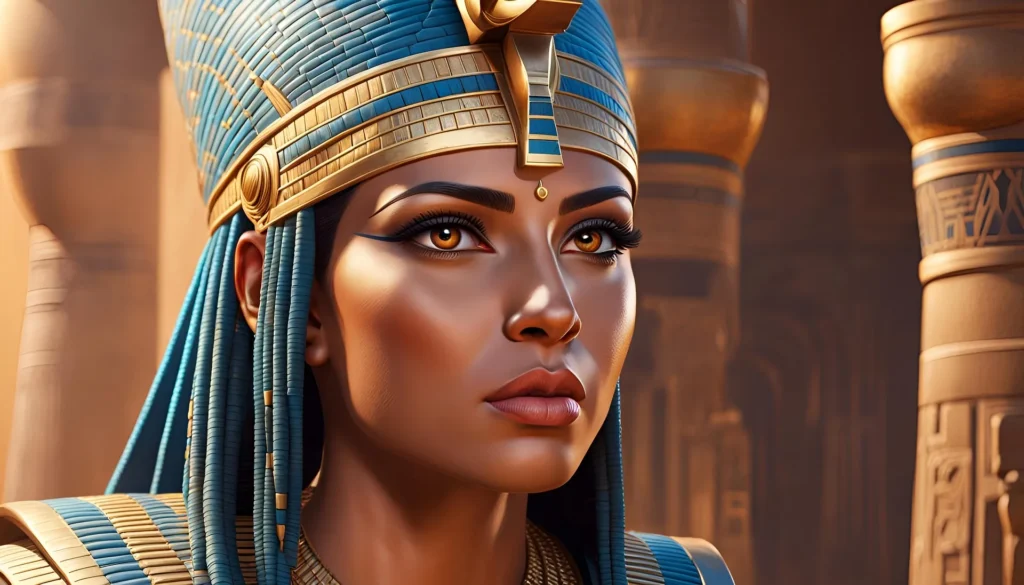
In Ancient Egypt, beauty standards reflected harmony, softness, and social order. Women were often associated with smooth, rounded body shapes and lighter golden skin tones. Beauty was also connected to status and elegance, showing how appearance reflected both cultural ideals and social structure within Egyptian society.
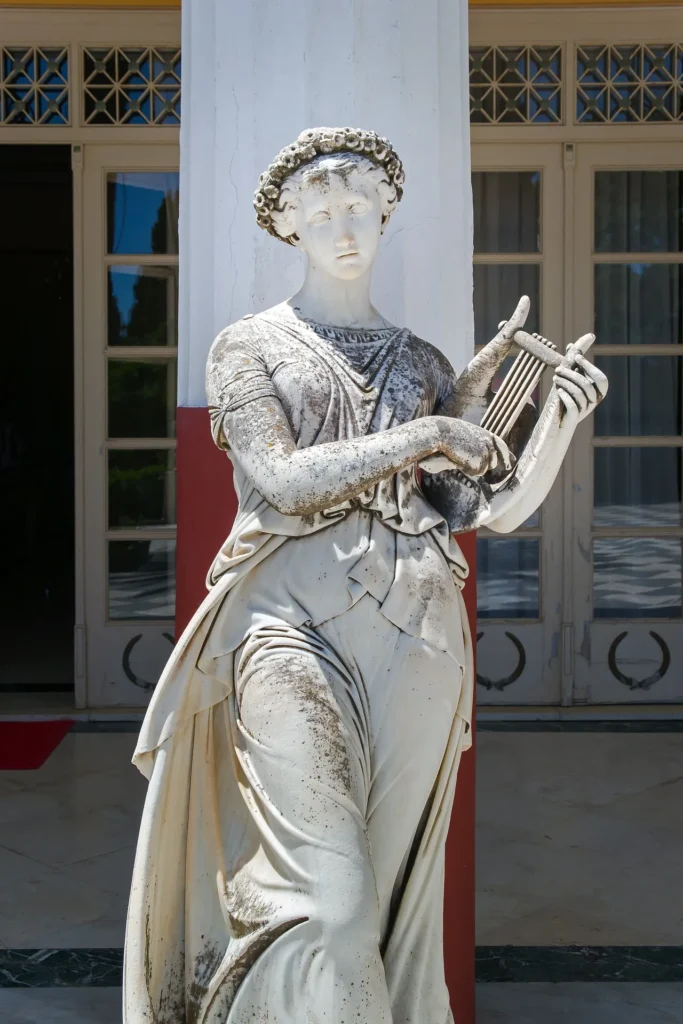
300 BCE – Ancient Greece and the Ideal Form
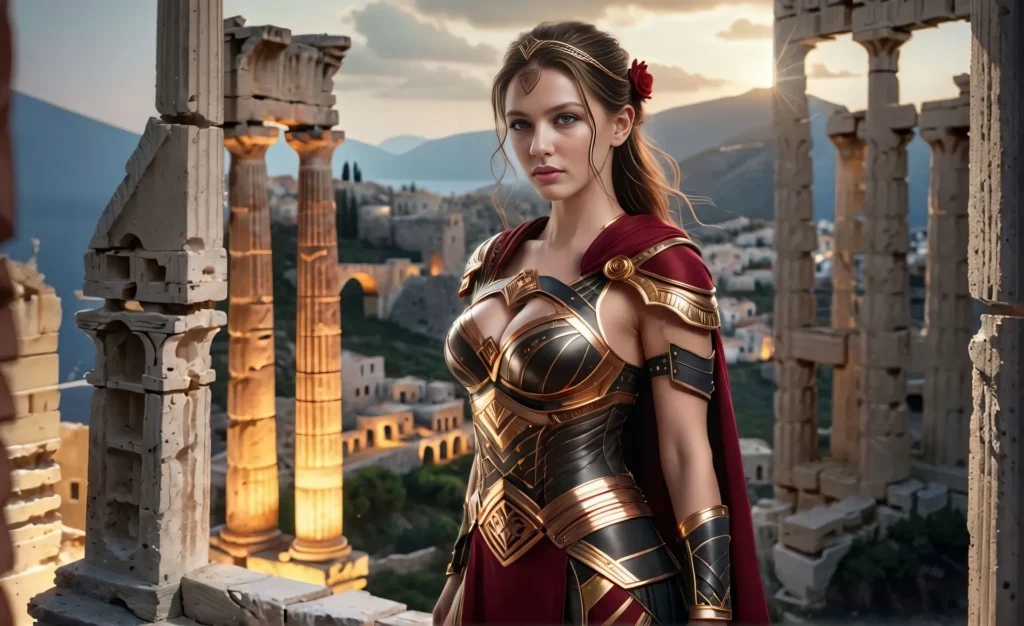
During Ancient Greece, beauty became more philosophical and idealized. The goddess Aphrodite symbolized physical perfection, yet she was still portrayed with natural curves rather than unrealistic proportions. Fuller hips and softer body shapes were admired, and cosmetic practices were common, even when they carried health risks. Beauty here was deeply tied to cultural ideals of proportion and form.
1400s – Renaissance Beauty and Social Status
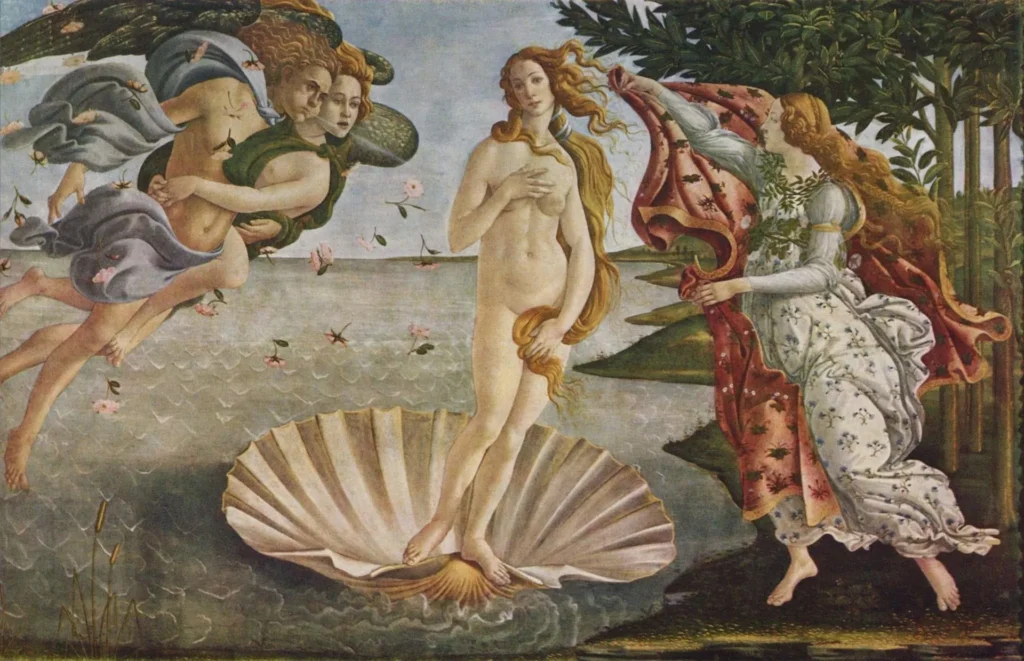
In the Renaissance period, beauty became strongly associated with wealth and refinement. Large foreheads, pale skin, and blonde hair were considered desirable. Women often altered their appearance, such as adjusting hairlines, to match the ideal proportions of the time. Beauty reflected not only appearance but also social class and privilege.
1790 – Georgian Era and the Focus on Proportion
By the Georgian era, beauty standards shifted toward balance and symmetry. A long neck, rounded face, and well-proportioned features were seen as ideal. Rather than extreme body traits, society valued harmony and refinement, reflecting a growing cultural preference for structured elegance.
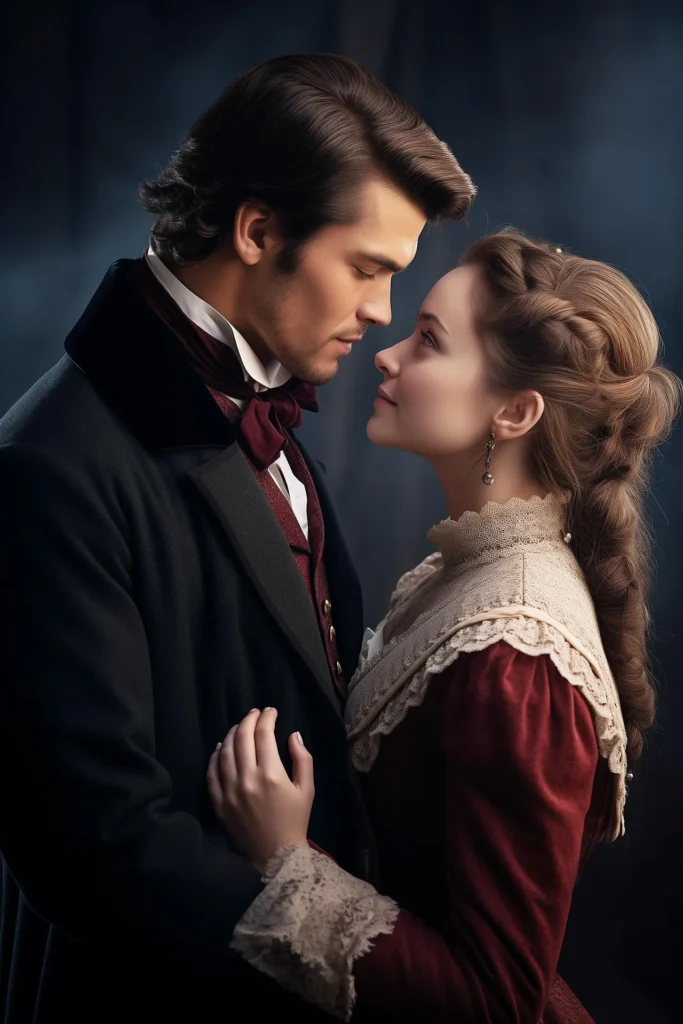
1880s – Victorian Beauty and Fragile Femininity
In the Victorian era, beauty became closely tied to femininity, delicacy, and social expectations. Tight corsets shaped the body into exaggerated silhouettes, while pale skin and a fragile appearance were considered attractive. Women were expected to embody softness and dependence, reinforcing the gender roles of the time.
1920s – Modern Woman and Androgynous Beauty
The 1920s marked a major shift in beauty ideals. Slim, androgynous figures became fashionable, and women began rejecting restrictive clothing like corsets. Short hairstyles and loose silhouettes reflected independence and social change. Beauty started to represent freedom, confidence, and modern identity.
1950s – Media Influence and the Hourglass Ideal
By the 1950s, beauty standards were strongly shaped by media and advertising. The hourglass figure became the dominant ideal, supported by films, fashion, and cosmetics. Red lipstick, styled hair, and polished femininity defined the era’s beauty image, showing the growing power of the beauty industry.
Modern Era – Diversity and Expanding Standards

In today’s world, beauty standards are more diverse than ever. Social media, global culture, and representation movements have broadened the definition of beauty to include different body types, skin tones, and identities. While pressure still exists, there is a growing shift toward authenticity, individuality, and inclusion.
How Culture Shapes Beauty Standards Over Time
- Historical Variation: Different cultures prize different physical traits based on environmental conditions, resource availability, and survival strategies. For example, body size norms have varied with food abundance, climate, and labor needs.
- Symbolic Meaning: Beauty often encodes cultural values and social signals. In some societies, fullness has signified prosperity and fertility; in others, slenderness has been linked to discipline and refinement.
- Rituals and Icons: Traditional beauty rituals, garments, body modification practices, and symbolic adornments (scarification, tattooing, head shaping, corsetry) help define collective ideals within a community.
Economy and Social Structure: Wealth, Labor, and Access
- Economic Conditions: Prosperity can widen the range of accepted beauty traits, while hardship can elevate certain traits associated with resilience or fertility.
- Class and Status: Access to resources such as high-quality fabrics, cosmetics, specialized medical or cosmetic procedures, and fashion can reinforce or challenge prevailing standards.
- Urbanization and Mobility: City life often accelerates fashion and beauty trends as people interact with diverse communities and adopt new styles.
Politics and Power: Ideology Shapes the Look of a Society
- State Sponsorship and Morality: Governments and religious institutions can endorse particular beauty norms to promote certain values, gender roles, or social cohesion. For instance, reforms in dress codes or beauty ideals can reflect broader political campaigns.
- Nationalism and Identity: Postcolonial contexts often renegotiate beauty standards to reclaim heritage or resist external influence, elevating traditional features or historically marginalized traits.
- Propaganda and Influencers: Leaders and institutions have long used image and appearance as tools of persuasion, from royal portraits to modern social media campaigns.
Media, Technology, and the Speed of Change
- Print, Photography, and Cinema: Each technological leap changes how beauty is perceived and disseminated. The rise of mass media made beauty a public conversation and a commodified product.
- Advertising and Consumer Culture: The beauty industry creates ideals through branding, marketing narratives, and product performance claims.
- Digital Platforms: Social media, filters, and photo-editing tools democratize image creation but can also distort perceptions of what is “normal” or attainable. The speed of trend cycles has accelerated dramatically.
- Medical and Cosmetic Advances: Innovations in dermatology, cosmetic surgery, and even body modification technologies expand what is possible, shifting norms around aging, attractiveness, and perfection.
Science and Psychology: How We Perceive Attractiveness
- Evolutionary Perspectives: Some theories suggest preferences reflect evolved cues related to fertility, health, and genetic fitness. However, these views are contested and context-dependent.
- Cultural Conditioning: It’s widely acknowledged that preferences are socialized: media representations, peer norms, and local aesthetics strongly shape what we find attractive.
- Individual Variation: Genetics, personality, and life experiences create a spectrum of beauty ideals within any culture, resisting a single uniform standard.
Health, Age, and Lifespan: Changing with Life Stages
- Aging Norms: In some eras, youthfulness has been celebrated; in others, wisdom and maturity have been idealized. Aging is often reframed through medical, cosmetic, or cultural lenses.
- Health Narratives: Public health movements can shift beauty standards by promoting certain body types or skin conditions as healthier, more attainable, or desirable.
Globalization and Cross-Cultural Exchange
- Hybrid Ideals: Global connectivity blends diverse beauty traditions, producing hybrid standards that borrow from multiple cultures.
- Backlash and Preservation: At the same time, globalization can provoke desires to preserve local aesthetics or resist homogenization.
- Ethical Considerations: The commodification of beauty across borders raises concerns about cultural appropriation, consent, and fair labor practices.
Case Studies: How Beauty Standards Have Evolved in Different Contexts
- Western Ideals Across Centuries: From plumpness as a sign of wealth in Renaissance Europe to the ultra-thin silhouettes of the 20th century, and the diverse, inclusive conversations of today.
- East Asian Aesthetics: Historically, pale skin and porcelain beauty, resinous makeup trends, and the modern influence of K-pop, with ongoing conversations about regional variations and body positivity.
- African and Afro-Diasporic Beauty: Rich diversity of hair textures, skin tones, and adornment practices; evolving perceptions of natural hair, traditional regimens, and global fashion influence.
- Indigenous and Tribal Aesthetics: Emphasis on harmony with nature, body art, and culturally specific standards that persist and adapt in modern contexts.
- Middle Eastern Beauty Narratives: A blend of garment elegance, makeup traditions, and evolving modern interpretations within conservative and contemporary frameworks.
The Harmful Side of Narrow Standards
- Body Image and Mental Health: Unrealistic ideals can contribute to anxiety, eating disorders, and low self-esteem, especially among young people.
- Social Inequality: Access to beauty-enhancing resources can exacerbate disparities, leaving some communities underrepresented or marginalized.
- Cultural Sensitivity: Narrow standards can erase or stigmatize diverse identities and bodies, including gender diversity, disability, and aging populations.
Toward a Healthier, More Inclusive Vision of Beauty
- Embrace Diversity: Celebrate a range of body types, skin tones, features, ages, and abilities. Representation matters in media, advertising, and leadership roles.
- Reframe Success: Shift focus from perfection to health, confidence, and functional beauty—how a person carries themselves, their kindness, creativity, and resilience.
- Critical Media Literacy: Encourage questioning of beauty narratives, awareness of filters and editing, and understanding of how ads shape desire.
- Personal Agency: cultivate a personal standards framework that aligns with well-being, rather than chasing fleeting trends.
- Inclusive Industry Practices: Support brands and creators who prioritize ethical sourcing, transparent labor practices, and genuine diversity.
Practical Takeaways for Readers
- Curate your media diet: Follow a diverse range of creators and outlets that celebrate different beauty ideals.
- Practice self-compassion: Recognize that beauty standards are social constructs that change; your value isn’t tied to meeting them.
- Explore your own expression: Experiment with style, grooming, and self-presentation in ways that feel authentic and empowering.
- Engage in dialogue: Discuss beauty norms with friends, family, and communities to build a more nuanced understanding.
- Support positive movements: Support inclusive campaigns, body-positive communities, and ethical brands.
Wealth and Modern Beauty Standards Today
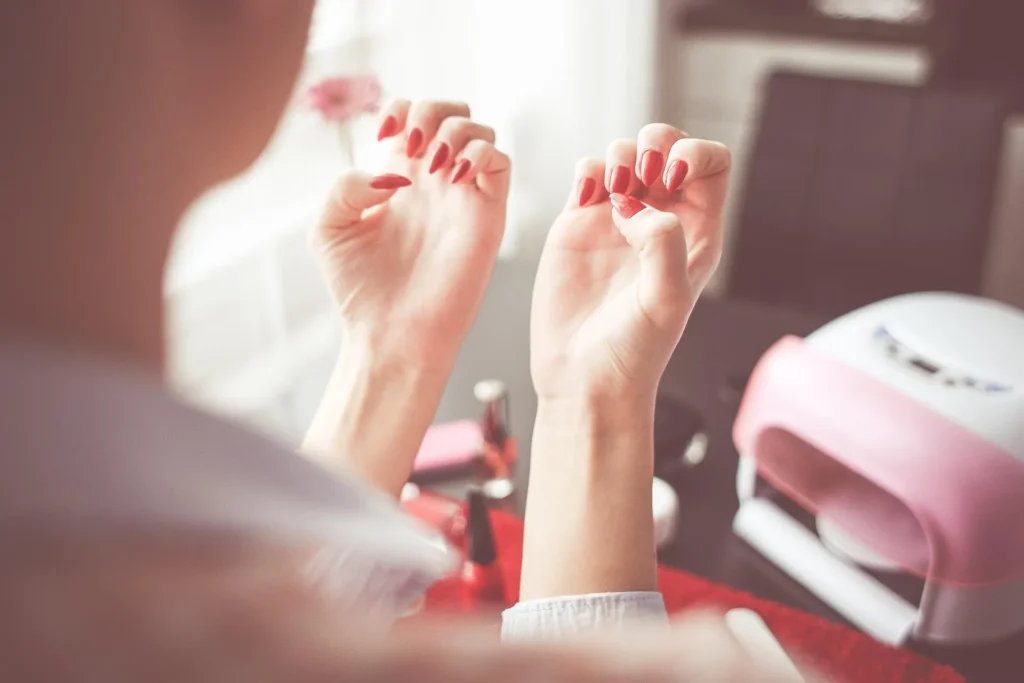
In today’s society, beauty standards are still closely connected to wealth, even if it is expressed in more subtle ways than in the past. Unlike historical eras where wealth was shown through body size or pale skin alone, modern beauty ideals often reflect access to time, resources, and lifestyle choices. Many wealthy women today are associated with a polished, “effortlessly perfect” appearance—healthy skin, well-maintained hair, toned but natural-looking bodies, and a minimalist, refined style.
This look is often the result of consistent access to high-quality skincare, nutrition, fitness, cosmetic treatments, and personal care services. In this sense, modern beauty is less about a single body type and more about the ability to maintain an ongoing lifestyle of self-care and refinement, which subtly signals status and economic stability.
Conclusion
Beauty standards are not timeless laws etched into human nature; they are dynamic, shaped by a tapestry of cultural, economic, political, technological, and psychological forces. As societies evolve, so too do the ideals we aspire to. By recognizing the mechanisms behind these shifts, we can approach beauty with curiosity, inclusivity, and a healthier sense of self-worth—celebrating the immense diversity of human appearance rather than confining it to a single, narrow standard.
Author’s Perspective: Beauty Standards Have Always Changed—And They Always Will
When you study how beauty standards evolved throughout history, one truth becomes impossible to ignore: society’s definition of beauty has never been fixed. What one generation sees as ideal, another may reject entirely.
In Renaissance Europe, fuller figures symbolized wealth, fertility, and status because access to abundant food reflected prosperity. Centuries later, the cultural pendulum swung dramatically—in the 1990s, the ultra-thin “heroin chic” aesthetic became fashionable, redefining beauty around sharp features and extreme slenderness. Today, modern beauty ideals continue shifting again, shaped by social media, body positivity movements, cosmetic technology, and global cultural exchange.
The history of beauty standards shows that changing beauty ideals are less about objective truth and more about the values, economics, insecurities, and aspirations of the societies creating them. Beauty standards across cultures also demonstrate this clearly: traits admired in one region or era may hold little significance in another.
In my view, understanding why society’s definition of beauty changes is one of the most liberating things a person can learn. It reminds us that many “ideal” appearances are temporary social constructs—not permanent measures of worth. What is praised today may be outdated tomorrow.
Rather than chasing every new trend, perhaps the healthier approach is to recognize beauty standards for what they truly are: reflections of culture, not universal truths. History suggests they will continue evolving long after today’s trends fade, just as every standard before them eventually did.
FAQ: Why Beauty Standards Change Over Time
Beauty standards differ across cultures because each society develops its own ideals based on history, environment, traditions, religion, social values, and local perceptions of status or attractiveness.
Beauty standards are influenced by both biology and culture. While some preferences may have evolutionary roots, most beauty ideals are heavily shaped by social conditioning, media, cultural norms, and historical context.
Social media has accelerated the spread of beauty trends, increased exposure to global aesthetics, and popularized edited or filtered appearances—often making beauty standards change faster than ever before.
Beauty trends often repeat because fashion and aesthetics are cyclical. New generations frequently revive, reinterpret, or modernize past styles while reacting against the trends of the previous era.
Sources:
[1] Etcoff, N. (1999). Survival of the Prettiest: The Science of Beauty. Anchor Books.
[2] Wolf, N. (1991). The Beauty Myth: How Images of Beauty Are Used Against Women. William Morrow.
[3] Bordo, S. (2003). Unbearable Weight: Feminism, Western Culture, and the Body. University of California Press.
[4] Eco, U. (2004). On Beauty: A History of a Western Idea. Rizzoli.
[5] Fredrickson, B. L., & Roberts, T. A. (1997). “Objectification Theory: Toward Understanding Women’s Lived Experiences and Mental Health Risks.” Psychology of Women Quarterly, 21(2), 173–206.
[6] Swami, V. (2015). “Cultural influences on body size ideals.” European Psychologist, 20(1), 44–51.
[7] Tiggemann, M. (2011). “Socio-cultural perspectives on human appearance.” Body Image, 8(1), 1–3.
[8] Grogan, S. (2016). Body Image: Understanding Body Dissatisfaction in Men, Women, and Children. Routledge.