How Slot Studios Create Distinct Visual Identities
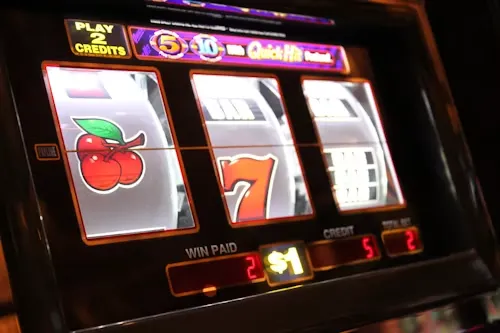
What makes one slot studio’s visuals feel instantly recognizable while another’s look fades from memory?
The answer usually comes down to a mix of art direction, technical choices, and a very clear sense of personality. Slot studios do not just create symbols and backgrounds.
They build a visual language that helps players understand what kind of experience they are entering before a single spin happens.
That visual language matters because slot games are crowded with similar formats, but people still notice when a game has a distinct look. Color palettes, animation timing, icon style, and screen composition all work together to create that impression. When a studio gets those details right, its games feel consistent without feeling repetitive.
In practical terms, visual identity is the part of the design that makes a game feel like it belongs to a specific creative team. Some studios favor bold color and playful character art.
Others lean toward clean layouts, cinematic lighting, or retro pixel styling.
If you look closely at the best examples, the identity is not accidental.
Building A Clear Artistic Direction
A strong visual identity starts with a clear artistic direction. Studios usually begin by defining the mood they want the game to carry, then every visual choice follows from there.
Theme First, Style Second
The theme gives the team a starting point, but the style makes it memorable. A game about ancient ruins can look dramatic, mysterious, or playful depending on how the art team handles texture, color, and motion.
The same subject can feel completely different if one version uses stone-gray realism while another uses bright, illustrated shapes. That is why studios spend so much time deciding on tone before production begins.
Consistency matters too. A game with mythic symbols should not suddenly switch to cartoon-like iconography unless that contrast is part of the concept. Players pick up on those visual rules quickly, even if they do not name them out loud.
Color As A Signature Tool
Color is one of the fastest ways to make a slot stand out. Some studios rely on warm reds and golds to create energy, while others use cooler blues and purples for a calmer feel. Strong color control can also separate important game elements from the background, which helps the interface stay readable during fast play.
Palette choices often become part of a studio’s identity over time. If a team repeatedly uses high-contrast neon tones or muted earth colors, players start to recognize that pattern. That recognition builds trust because the visual style signals what kind of experience to expect.
For players comparing different studios, a site like tangandewa can make those visual differences easier to spot across many titles in one place.
Using Characters And Symbols To Build Memory
Characters and symbols do a lot of heavy lifting in visual identity. They are the pieces people remember most because they sit at the center of the screen and appear again and again during play.
Characters Carry Personality
When a slot includes a mascot, hero, or themed guide, that character often becomes the face of the game. The design team has to make sure the character feels consistent in pose, facial expression, costume detail, and animation style. A cheerful cartoon guide sends a very different message from a stern fantasy warrior, even if both appear in the same type of slot format.
Strong character design also helps with recognition across multiple games from the same studio. If the art style for faces, clothing folds, and body movement follows similar rules, players can spot the studio’s hand even when the theme changes.
Symbols Need Visual Clarity
Slot symbols are small, so clarity matters more than complexity. Studios often simplify shapes, sharpen outlines, and use strong contrast so each icon remains readable during motion. A well-drawn symbol should make sense at a glance and still look appealing when repeated across the reel grid.
Symbols also help set the emotional tone. A polished jewel, a carved mask, or a glowing artifact all suggest different creative directions. When those symbols feel coherent with the rest of the artwork, the entire game feels more unified.
Motion, Layout, And Screen Rhythm
Static art is only part of the picture. Motion and layout shape how the visual identity feels in real time, which is where many studios separate themselves.
Animation Style Adds Personality
Animation is often where a studio’s taste becomes obvious. Some teams prefer smooth, slow movement with cinematic pauses. Others use quick pops, elastic bounces, and sharp transitions to keep energy high. Even small things like how a reel stops or how a bonus icon flashes can create a recognizable rhythm.
Good motion design also supports the theme. A space-themed slot may use drifting particles and soft fades, while an action-themed title may use sudden flashes and faster cuts. These motion choices are not random. They help the visual identity feel complete.
Layout Shapes Focus
Layout is about more than placing reels in the center. It involves deciding where to put menus, how large the symbols should be, and how much background detail is too much. Studios with a strong identity often repeat certain layout habits, like oversized title areas, framed reel spaces, or layered backdrops that create depth without clutter.
That visual discipline helps players process the screen faster. A clear layout makes the game easier to read, and that readability becomes part of the style itself.
Some art teams even create internal style rules that keep every interface element aligned with the same visual logic. A studio with a Tangandewa-style consistency in mind would focus on repeating clean composition choices across different titles so the look feels familiar from game to game.
Keeping Identity Consistent Across Releases
Once a studio has a visual identity, the challenge is keeping it stable while still making each release feel fresh. That balance takes discipline.
Shared Visual Rules Matter
Studios often use recurring shape language, lighting patterns, or texture treatments across multiple games. For example, one team may favor glossy highlights and rounded edges, while another uses angular frames and heavy shadow. These recurring traits create a signature style without forcing every game to look identical.
Consistency also helps players build expectations. When a studio’s art feels coherent, each new release arrives with a familiar visual logic, even if the theme changes from fantasy to adventure or from classic icons to stylized fiction.
Final Thoughts
The best studios know when to repeat a visual idea and when to adjust it. They may keep the same interface structure but switch from bright summer colors to darker night tones. They may use the same symbol framing but alter the linework or background texture. Small changes like that keep the identity alive without making it stale. That balance is often what separates memorable slot studios from forgettable ones.