How Social Media Changed Beauty Standards Forever
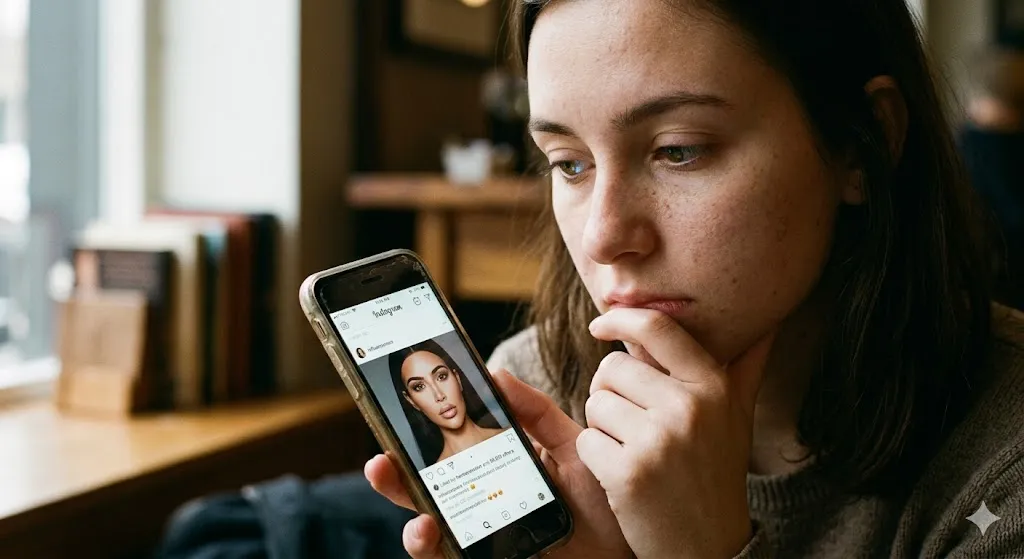
Social media did not just change how people share photos. It changed what people believe they are supposed to look like. In less than two decades, platforms built around images, filters, and follower counts have quietly reshaped the way millions of people understand beauty, value their appearance, and measure themselves against others. The shift has been so gradual and so total that most people did not notice it happening until they were already inside it.
This is not a story about vanity. It is a story about culture, commerce, identity, and the quiet pressure that builds when appearance becomes a form of currency.
The World Before the Filter
Before Instagram, before TikTok, before the front-facing camera became a daily fixture, beauty standards existed but they traveled more slowly. Magazines set the tone. Television reinforced it. Advertising repeated it. The images people saw were curated by editors, art directors, and marketing teams with clear commercial goals. They were polished, distant, and relatively easy to identify as professional productions.
Ordinary people consumed those images, but they did not compete with them in the same space. A teenager in a small town might flip through a fashion magazine and feel a gap between herself and the model on the page, but that model existed in a different world. The comparison had a ceiling.
Social media removed that ceiling entirely.
When Everyone Became a Publisher
The first major shift came when platforms like Facebook and later Instagram gave everyone the ability to publish images of themselves to an audience. Suddenly appearance was not just personal. It was public, measurable, and subject to feedback in the form of likes, comments, and shares.
This changed the psychology of how people related to their own image. A photograph was no longer just a memory. It was content. And content, by the logic of social platforms, was evaluated. People began choosing photos based on how they expected others to respond, editing out unflattering angles, and learning which versions of themselves performed better with an audience.
That shift from private self-image to public performance was subtle at first. Over time it became one of the defining tensions of modern life, especially for younger generations who grew up inside it.
The Rise of the Influencer and a New Kind of Beauty Role Model
Traditional beauty role models were actresses, models, and pop stars. They were aspirational partly because of their distance. Influencers changed that dynamic completely. They presented themselves as relatable, accessible, and real, while still projecting carefully constructed images of attractiveness, lifestyle, and taste.
The influencer model created something new in the history of beauty culture. It combined the aspirational pull of celebrity with the perceived intimacy of a friend. When a beauty influencer recommended a skincare routine, demonstrated a makeup technique, or posted a gym transformation, it felt personal. It felt achievable. It felt like something the viewer could become.
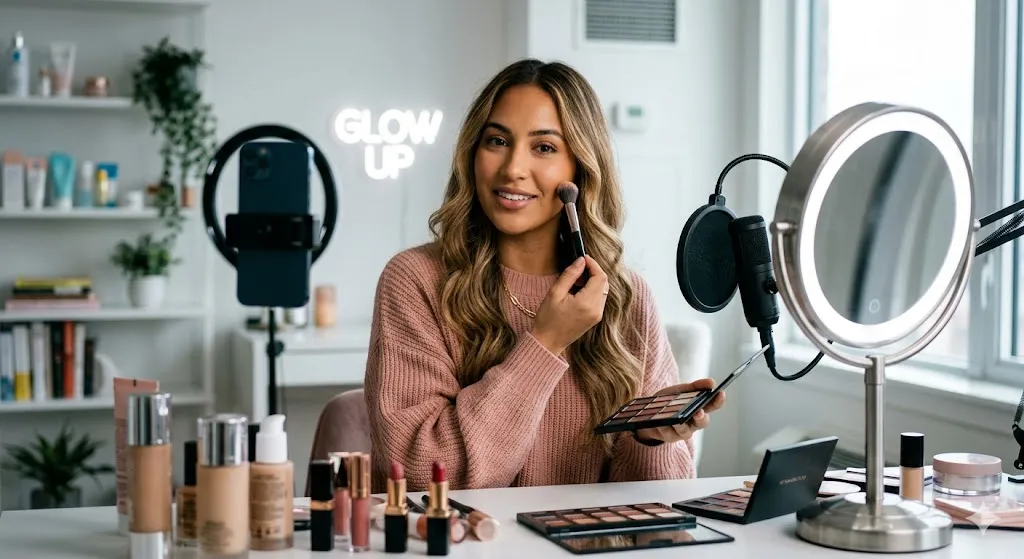
That feeling drove enormous commercial activity and an enormous amount of personal comparison. Millions of people began measuring their skin, their body, their hair, and their style against people who were, in reality, running a business built on curated presentation.
Filters, Editing, and the Blurring of Real and Constructed
One of the most significant and underreported changes that social media brought to beauty standards was the normalization of image editing at the individual level. Professional retouching had existed in advertising for decades, but it was largely invisible to consumers. Social media made filters and editing tools available to everyone, and it made their use ordinary.
Smoothed skin, slimmed faces, enlarged eyes, adjusted jawlines, and brightened complexions became the default presentation for millions of users. The problem was that the edited image began to function as the standard. People were no longer comparing themselves to unedited reality. They were comparing themselves to a version of reality that had been systematically altered.
Researchers began documenting a phenomenon sometimes called Snapchat dysmorphia, where people sought cosmetic procedures not to look like a celebrity but to look like their own filtered selfie. The filtered self had become the aspirational self, and the gap between the two created real psychological distress for a significant number of people.
Skin Deep: How Social Media Transformed the Skincare Industry
Few industries were transformed more dramatically by social media than skincare. Before platforms like YouTube and Instagram created space for beauty content, skincare was largely driven by dermatologists, department store counters, and magazine advertising. Routines were simpler and the vocabulary was narrow.
Social media changed all of that. It created an entirely new category of beauty consumer, one who researched ingredients, followed routines with multiple steps, and spent considerably more time and money pursuing what influencers described as glass skin, healthy glow, or barrier repair.
The demand was real and the industry responded. The global skincare market grew substantially through the social media era, driven in large part by content creators who made skincare feel like both a science and a lifestyle. The trade-off was that it also created new anxieties. People began scrutinizing their pores, their texture, and their pigmentation in ways they never had before, partly because high-resolution selfie culture made those details visible and partly because content constantly reminded them that improvement was possible and desirable.
Body Image and the Constant Scroll
Body image has always been shaped by cultural ideals, but social media intensified the exposure to those ideals in ways that earlier media could not. A person watching television in the 1990s might see an idealized body type for a few hours a day. A person scrolling Instagram today can encounter hundreds of carefully selected body images in a single session, many of them filtered, lit professionally, and selected from dozens of attempts.
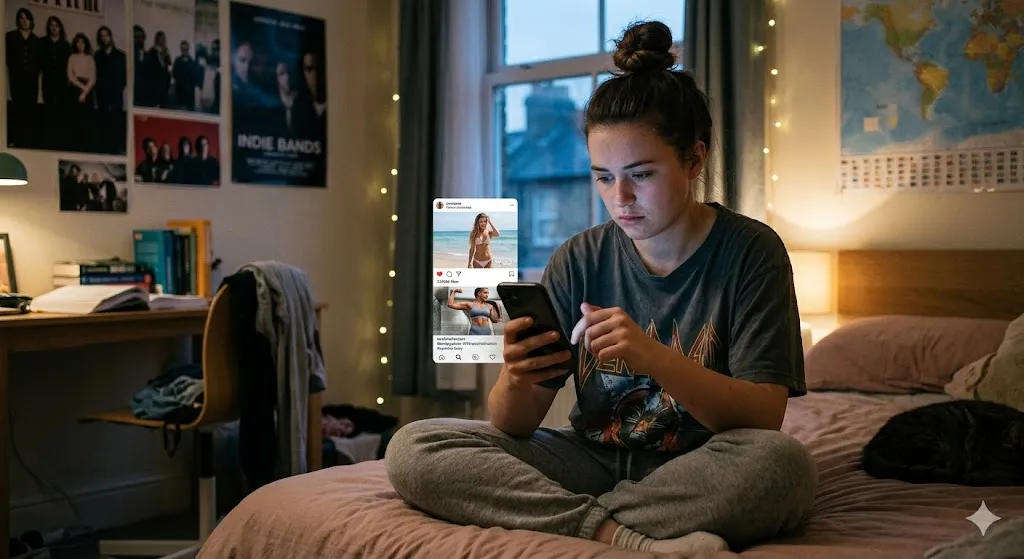
The research on this has been consistent and concerning. Multiple studies have linked heavy social media use, particularly image-focused platforms, to increased body dissatisfaction, lower self-esteem, and higher rates of disordered eating behaviors, especially among young women and adolescents. The mechanism is not complicated. Constant upward social comparison, particularly against images that have been edited and selected for maximum appeal, tends to make people feel worse about their own appearance over time.
What makes social media different from earlier forms of media is the interactivity. People do not just receive images passively. They post their own, receive feedback, compare engagement, and exist inside a system that quantifies attractiveness through metrics. That feedback loop has no equivalent in the history of human culture.
The Globalization of Beauty Ideals
Before social media, beauty standards varied significantly across cultures and regions. What was considered attractive in South Korea differed from standards in Brazil, Nigeria, or Sweden. Those regional differences reflected genuine cultural diversity in how beauty was understood and valued.
Social media accelerated the spread of certain beauty ideals across cultural boundaries in ways that previous media never achieved at the same scale or speed. Korean beauty trends reached teenagers in the American Midwest. Brazilian body ideals reached young women in Southeast Asia. Western facial features became aspirational in markets where they had never previously held that status.
This globalization of beauty standards created new commercial opportunities and new pressures simultaneously. People had access to more beauty inspiration than ever before, but they also encountered a narrowing of what counted as conventionally attractive at a global level. The diversity that existed between regional standards began to compress as the same influencers, the same trends, and the same aesthetic values circulated through the same platforms worldwide.
The Body Positivity Movement and Its Complicated Relationship with Social Media
Social media also gave rise to the body positivity movement, which challenged narrow beauty standards and pushed for greater representation of diverse body types, skin tones, ages, and abilities. That movement produced real cultural change. Brands began casting more diverse models. Conversations about retouching became more public. Representation in mainstream beauty advertising genuinely improved over the course of the 2010s.
But the body positivity movement also developed complicated tensions with the very platform it used to spread its message. Instagram’s algorithm, like all social media algorithms, rewards engagement, and engagement on appearance-focused content tends to correlate with conventionally attractive presentation. Even accounts dedicated to body acceptance often performed better when they featured content that aligned with mainstream beauty standards in other ways, through lighting, styling, and overall aesthetic quality.
There was also the question of commercialization. Body positivity became a marketing strategy for major brands almost as quickly as it became a social movement. The result was a version of the message that had been smoothed, packaged, and rebranded in ways that critics argued stripped it of its original political and social content.
Mental Health and the Price of Constant Comparison
The connection between social media use and mental health outcomes has been one of the most discussed research areas of the past decade. While the relationship is complex and not uniform across all users, certain patterns have emerged with enough consistency to take seriously.
Young women and teenage girls appear to be particularly affected. Research by social psychologist Jonathan Haidt and others has documented correlations between the rise of smartphone-based social media and increases in anxiety, depression, and self-harm rates among adolescent girls in multiple countries. The timing aligns closely with the period when image-focused social media became dominant in everyday life.
The mechanism most researchers point to is social comparison, specifically the way social media creates constant opportunities to compare one’s appearance, lifestyle, and social status against others. When those comparisons are made against images that have been selected, filtered, and edited for maximum impact, the psychological effect can be cumulative and corrosive over time.
This does not mean social media is uniformly harmful. Many people use it to connect with communities, find representation they never had access to before, and engage with beauty culture on their own terms. But the scale of the potential harm, particularly for young people in their most formative years, is significant enough that it has become a serious public health conversation in several countries.
Diversity and Representation: Real Progress or Performative Change
One of the genuinely positive shifts that social media enabled was the expansion of who gets to be visible in beauty culture. Before platforms gave individuals the ability to build their own audiences, beauty media was controlled by a relatively small number of gatekeepers who made decisions about whose face and whose body appeared in editorial content, advertising, and entertainment.
Social media bypassed those gatekeepers. Black beauty creators built massive audiences and changed conversations about dark skin, natural hair, and makeup designed for deeper complexions. Plus-size creators challenged the assumption that fashion and beauty content was only for thin bodies. Disabled creators, older creators, and creators from cultures that had been largely invisible in mainstream beauty media found audiences who were hungry for that representation.
That shift was real and it mattered. It changed what people saw as beautiful, what products got developed, and what stories got told. The beauty industry today looks measurably different from the beauty industry of fifteen years ago, and social media is a significant reason why.
The honest complication is that visibility and inclusion do not automatically translate into structural change. Brands can feature diverse faces in campaigns while still producing products that do not work for diverse skin tones. Platforms can celebrate body positivity in their marketing while building algorithms that amplify conventional attractiveness. Progress and performance can coexist, and distinguishing between them requires attention.
The Cosmetic Procedure Boom and the Social Media Connection
The cosmetic procedure industry experienced significant growth during the social media era, and the connection is not coincidental. Procedures that were once considered dramatic or stigmatized, including lip fillers, Botox, rhinoplasty, and body contouring, became increasingly normalized in public conversation, partly because social media made the before and after transformation a popular and widely shared content format.
Influencers who were open about their procedures helped reduce stigma and created demand among followers who wanted similar results. Cosmetic clinics began running social media accounts that functioned as educational and marketing content simultaneously. The selfie, the filter, and the highlight reel created a visual environment in which certain procedures began to feel less like a choice and more like a logical response to a gap between the current self and the aspirational self.
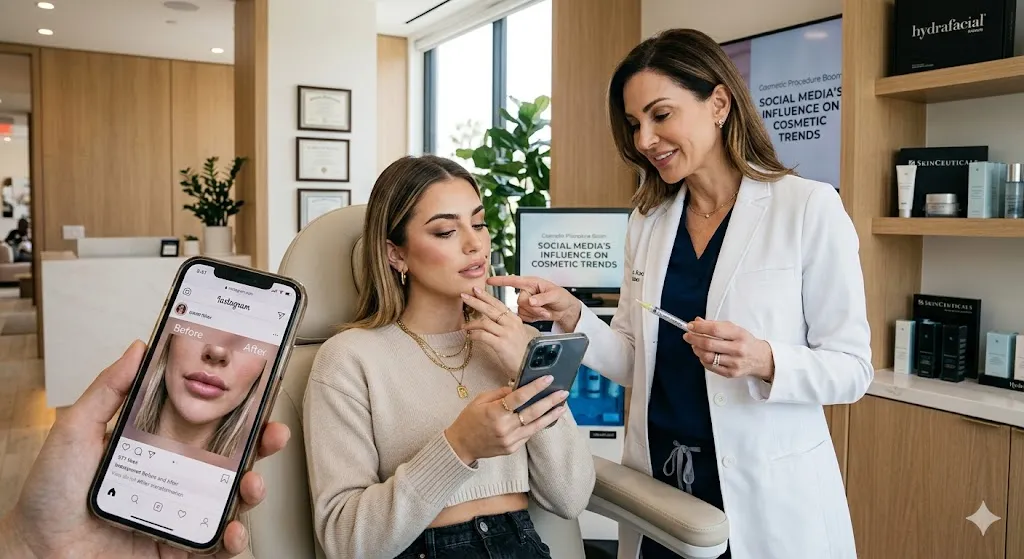
The demographic shift in cosmetic procedure clients has also been notable. Procedures once associated primarily with middle-aged women seeking to reverse the signs of aging began to attract much younger clients seeking to enhance features or correct perceived flaws that social media had made hyper-visible. That shift raised genuine questions among medical professionals, psychologists, and public health researchers about the role of social media in driving appearance-related anxiety and the decisions that follow from it.
What Young People Are Actually Experiencing
It is easy to discuss social media and beauty standards in abstract terms. The lived experience of young people navigating these pressures is considerably more concrete and often more difficult.
Teenagers today grew up inside social media in a way that older generations did not. Their sense of normal was shaped by filtered images from the beginning. Many report feeling pressure to look a certain way before posting, spending time editing photos, and feeling worse about their appearance after spending time on certain platforms. Some describe a cycle that is difficult to break, where the app makes them feel bad, but leaving it creates a different kind of anxiety around missing out or falling behind socially.
That experience is not universal, and resilience varies enormously across individuals. But the pattern is common enough that educators, parents, psychologists, and platform designers are beginning to take it seriously as a structural problem rather than an individual one.
The Platform Response and Whether It Is Enough
In response to growing public and regulatory pressure, major social media platforms have introduced various features aimed at reducing appearance-related harm. Instagram has experimented with hiding like counts. TikTok has introduced screen time reminders. Several platforms have added labels to heavily edited content or restricted certain types of weight loss advertising from reaching younger users.
These changes reflect genuine acknowledgment that the platforms bear some responsibility for the environment they created. Whether the changes are sufficient is a much more contested question. Critics argue that surface-level adjustments do not address the fundamental architecture of platforms that reward engagement above all else, and that engagement on appearance-focused content is deeply tied to the psychological dynamics that create harm in the first place.
The business model of social media is built on attention. Appearance-related content, particularly content that provokes aspiration, insecurity, or desire, has always been effective at capturing that attention. Changing that dynamic may require changes that go deeper than optional features and content labels.
A New Generation Pushing Back
There are signs that younger users are developing more critical relationships with social media beauty culture than previous generations did. Gen Z creators have been notably more open about editing practices, mental health struggles, and the gap between curated presentation and real life. Trends like the no-makeup selfie, candid photography, and deliberate imperfection have gained traction as counter-movements to the polished aesthetic that dominated earlier social media culture.
Some creators have built substantial audiences specifically by refusing to participate in the filtered, optimized version of beauty content. They post without editing, discuss insecurities openly, and frame beauty as something broader and less standardized than the algorithm typically rewards. That content resonates, which suggests that a meaningful portion of the audience is hungry for something more honest.
Whether these counter-movements can compete with the structural incentives of platforms designed to reward conventional attractiveness is an open question. But the fact that they exist and find genuine audiences suggests that the conversation about social media and beauty standards is maturing in ways that were not visible a decade ago.
What Has Been Lost and What Has Been Gained
The honest accounting of how social media changed beauty standards requires holding two things at once. Real harm has been done. Millions of people, disproportionately young women, have experienced increased anxiety, body dissatisfaction, and distorted self-image as a direct result of the visual environment that social media created and continues to maintain. That is not a minor side effect. It is a significant public health concern that deserves serious attention.
At the same time, real progress has been made. Beauty culture is more diverse today than it was before social media gave underrepresented groups the ability to build their own platforms and audiences. Conversations that were once private and stigmatized, about skin conditions, aging, body size, disability, and cultural beauty practices, are now visible and normalized in ways that genuinely help people feel seen.
The challenge is that both of these things are true simultaneously, and the temptation to focus only on one tends to produce an incomplete picture.
Looking Forward: What Comes Next
The next chapter of social media and beauty standards is already being written. Artificial intelligence is beginning to reshape the landscape in ways that could intensify existing pressures or, depending on how they develop, create entirely new ones. AI-generated images of idealized human appearance are becoming increasingly realistic and increasingly common. The question of what real looks like is becoming more complicated, not less.
At the same time, regulatory attention on platforms, influencer transparency requirements, and growing public literacy about image manipulation are slowly changing the environment. Several countries have introduced or are considering legislation that requires disclosure when images have been digitally altered in commercial contexts. Those changes are modest, but they reflect a broader cultural shift in how people think about the images they consume.
The beauty standard that social media created was never fixed. It shifted with trends, platforms, and the people who had the loudest voices within them. That means it can continue to shift, and the direction it moves will depend in part on what creators, consumers, brands, and platforms decide to value and amplify next.
Final Thoughts
Social media changed beauty standards in ways that were faster, broader, and deeper than almost anyone anticipated when the platforms first launched. It moved beauty culture from a one-way broadcast into a participatory system where everyone is both audience and subject. It globalized ideals that were once regional. It made comparison constant, quantifiable, and inescapable in ways that earlier media never achieved.
It also gave voice to people who had been excluded from beauty culture entirely and created space for a more honest, more diverse, and more human conversation about what beauty actually means.
The full story is not a simple one. It is not a story of pure harm or pure progress. It is a story about what happens when one of the most personal and emotionally charged aspects of human experience, how we look and how we feel about how we look, gets pulled into a system designed to capture attention and sell advertising.
Understanding that story clearly is the first step toward navigating it with more intention, more self-awareness, and more compassion for the very human struggle that sits at the center of it.
Frequently Asked Questions
Social media influences beauty standards by increasing exposure to trends, edited images, influencers, and algorithm-driven content that can shape perceptions of appearance.
Beauty trends often change rapidly because social platforms promote viral content, influencer recommendations, and fast-moving digital culture.
Research suggests that constant comparison with highly curated online content may influence self-esteem and body image perceptions.
Yes. Beauty standards vary between cultures and often change over time based on history, media influence, and social values.
Yes. Social platforms can also encourage body positivity, inclusivity, and wider representation of different appearances and identities.
References
- American Psychological Association (APA) – Research on social media and psychological effects
- National Institutes of Health (NIH) – Studies related to body image and media exposure
- Pew Research Center – Social media usage trends and digital behavior research
- World Health Organization (WHO) – Mental health and digital wellbeing information
- Journal of Social and Clinical Psychology – Research related to social comparison and social media effects
Editorial Note
This article is for informational and educational purposes only and does not replace professional medical or mental health advice.